Introduction to Governance
Governance within the Anglican Diocese of Adelaide provides a framework for decision-making and accountability, ensuring that our community is guided by shared values and principles. The governance structure involves various bodies, including Synods and the Diocesan Council, which are pivotal in addressing the needs of our congregation while upholding our mission.
As we navigate times of crisis and change, effective governance becomes increasingly important. Our commitment to transparency and collaboration fosters trust and encourages active participation among members, enhancing our ability to serve both the church and the wider community.
Through understanding and engaging with our governance processes, we empower individuals to contribute meaningfully to our mission and vision.
Synods
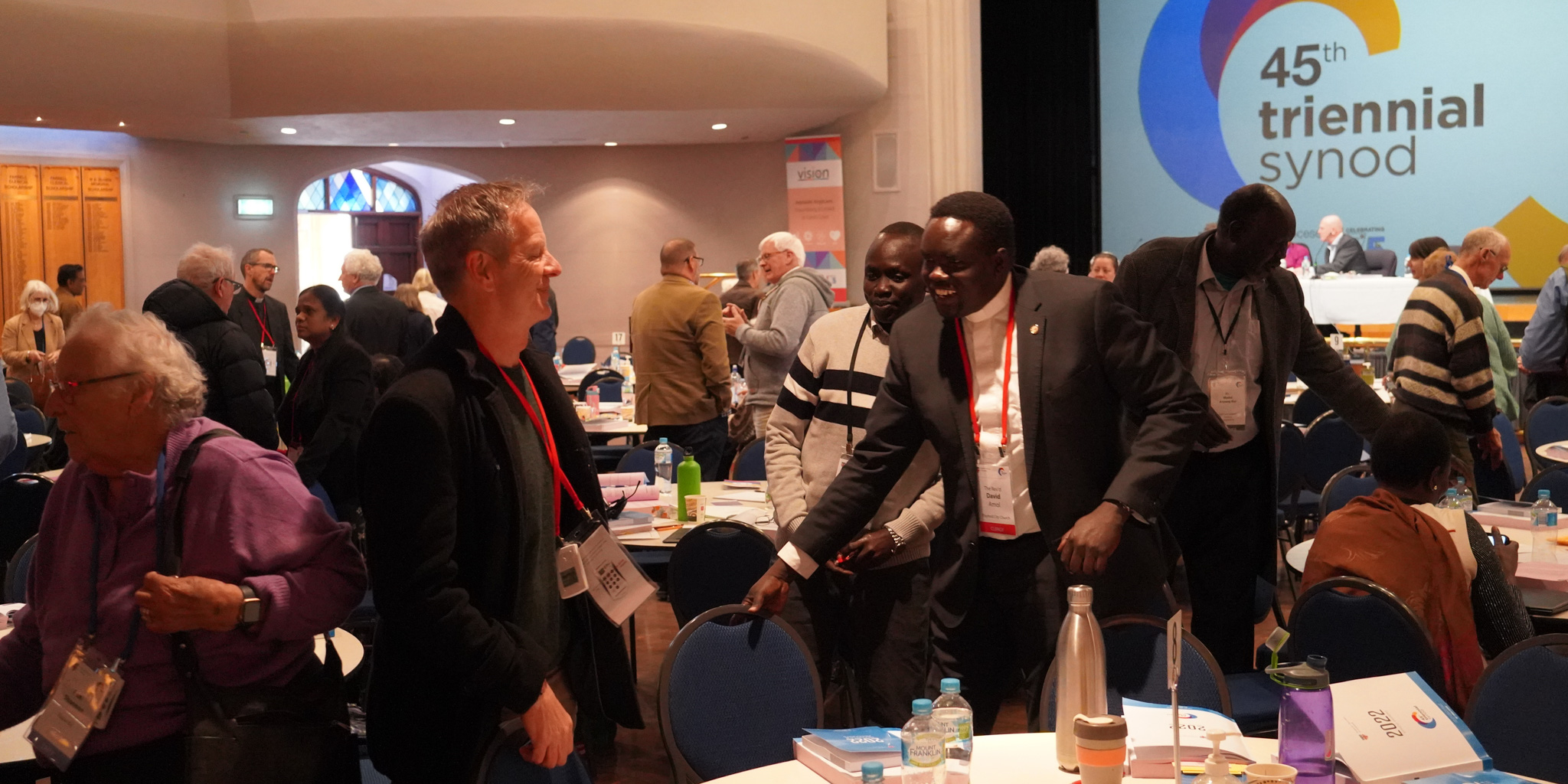
The Synod of the Diocese of Adelaide is legally structured as an incorporated association, with approximately 230 members, being around 120 lay people elected by local churches and 110 licensed clergy.
The major governance body within each Diocese of the Anglican Church of Australia is called the Synod, a word meaning ‘a council of the church meeting to decide doctrine and administration’. The modern Synod is a theologically informed governance structure that allows all the people of God, both lay and ordained, to provide for the life and growth as well as the order and good governance of the Church.
What is a Synod?
Synod also refers to the annual gathering of representatives of the Anglican Diocese of Adelaide, including both clergy and laity, to discuss matters of importance and participate in the good governance of our Church. You can think of Synod like an Annual General Meeting for a large organisation, however it is far more than the receiving of reports and approving policy, it is an opportunity for the church to share its stories of faith, and collectively discern our part in God’s mission in Adelaide.
How does Synod work?
The Standing Orders Ordinance is a useful document for understanding how the Synod process works, including how to submit motions, questions, and petitions. The Secretary of Synod, Mr Joe Thorp, is responsible for the preparation in the lead up to Synod and can be contacted via Diocesan Office.
Synod List
Diocesan Council
The Diocesan Council functions as the executive body of the Synod. It is essentially the “Synod in between sessions”, responsible for the ongoing management, administration, and strategic direction of the Diocese when the full Synod is not meeting.
Its functions include governance and administration, carrying out the resolutions passed by the Synod, policy oversight, financial and asset management and the day-to-day stewardship of resources, and acts in an advisory role to the Archbishop.
Beyond paperwork, the Council plays a role in the life and growth of the Diocese through strategic planning, parish support, and advocacy, giving voice to the Diocese’s stance on social justice issues, such as climate change, multiculturalism, and domestic violence prevention.
Constitution
Ordinances
Ordinances, passed by the Synod of the Diocese, then are binding on the Bishop, all members of the clergy and lay members of the Church.
Policies
Policies are established by Diocesan Council and all new and amended policies are reported to Synod every year.